

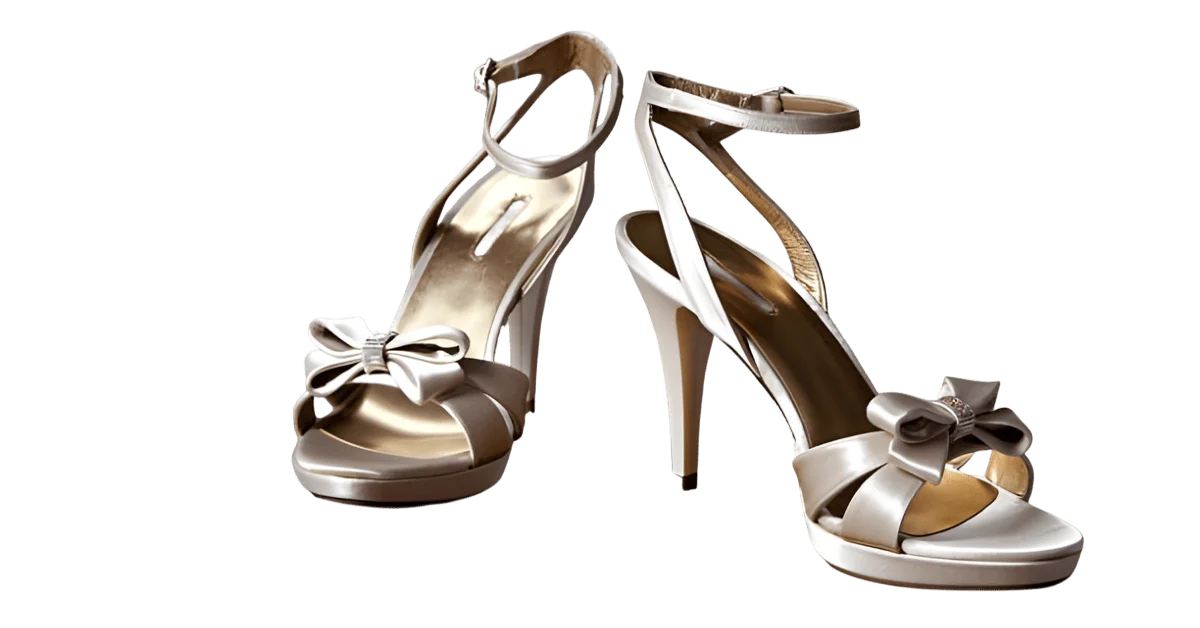
The focus of people is mainly on appearance, cushioning, or even brand reputation, when they shop for shoes. There’s no denying that these factors tend to play an important role. However, one essential element that quietly determines the comfort of your shoes is the heel-to-toe balance that your shoe offers.
This is not merely a concept revolving around softness and support. It encompasses aspects like how your foot transitions from the moment your heel touches the ground to the point your toes push off. Walking tends to feel natural and effortless, when this movement is properly supported.
When it isn’t, you end up feeling uncomfortable over time, which is a big red flag in this regard. In this guide here, let’s understand more about heel-to-toe balance and why it really matters in the case of shoes.
The distribution of weight across your foot during movement is known as the heel-to-toe balance. There’s a natural sequence that’s followed with every step that you take.
Each of these phases are adequately supported with a well-balanced pair of shoes. Moreover, no pressure points are created and there’re no disruptions caused to your natural stride.
If your shoes are properly balanced, your body doesn’t feel the need to compensate for uneven support. You can see a noticeable difference in everyday comfort due to the same.
Your feet are allowed to move they’re naturally meant to, with balanced shoes. With this you can reduce the strain on your legs, while maintaining a steady walking rhythm.
Certain areas of your feet work harder than the others, if the weight is not appropriately distributed. This results in tired feet and legs, if such shoes are used in a prolonged manner.
The foundation of your posture is your feet. You can appropriately align your ankles, knees, and hips, with proper balance, which additional contributes to a more stable stance.
No matter whether you’re going for short walks or for long outdoor days on your feet, you will stay comfortable with a balanced footwear. Besides, there’re no need for constant adjustments as well.
Your body propels forward, while absorbing shocks appropriately, thanks to your feet. Nevertheless, if your footwear doesn’t support the transition well, it doesn’t happen like you need it to happen.
Your heel tends to hit the ground and at that particular moment, your shoe should provide the correct cushioning to absorb the impact. This prevents the force from traveling up your leg.
The shoes should guide your feet naturally, as your weight shifts forward, while walking. With too much stiffness, natural movement is restricted, which too much flexibility can result in a decline of support.
Your toes need to push-off comfortably, and a well-designed shoe allows that. This phase will feel awkward, if the toe area is cramped or overly rigid.
All the three phases working together helps in ensuring a smoother and a more efficient stride for you. This is a necessity and your shoe tends to support it.
Shoes are important, but not all are designed keeping balanced movement in mind. Some common signs that your shoes are not supporting your movement efficiently are as given below:
Are you noticing any of these? Then it’s clearly high time that you reassess your footwear choices again.
You must look for features that support smooth transition from heel to toe, when you’re shopping for shoes or selecting the correct pair.
If the cushioning is only concentrated at the heel or the forefoot, then the pair won’t work. You are assured of consistent support throughout your step if there’s a balanced distribution.
The difference in the height between your heel and the forefoot is the heel drop. A more natural walking pattern is supported by a moderate drop.
Supporting toe-off requires the front of the shoe to bend easily, without restricting any movement at all.
You can guide your foot through each phase of your stride, with a stable midsole. This also reduces any form of unnecessary motion as well.
With a well-fitted heel, you can prevent slipping, and can keep your feet aligned, especially during any form of movement.
Different shoes have different make; not all are built equal. The design of each pair influences how your foot moves.
A good mix of cushioning and flexibility must be provided by each pair of everyday footwear. These are ideal for general use and moderate activity as well.
Does your routine involve long hours on your feet? You must then look for designs that have consistent support across your entire sole.
The focus of shoes designed for movement is on enhancing heel-to-toe transition. Such shoes typically include features that improve shock absorption and forward motion as well.
If the fit is not proper, a highly well-designed pair of shoes will also not feel like it should feel. It fails to perform properly.
Make sure that your heels sit properly without slipping. Any kind of movement in this area can easily disrupt your balance.
Your shoes must support the middle part of your shoes, while not feeling unnecessarily tight. This can help in maintaining stability during movement.
There should be space for natural movement for your toes. From start to finish, a balanced pair of shoes feels smooth.
A vital role in how shoes feel is played by your personal walking style as well. While some people take longer strides, others walk with shorter but quicker steps. You can choose shoes that complement your natural movement better by understanding your walking habits better. Some examples here include:
Soft shoes tend to feel comfortable initially, but if there’s too much cushioning, without any real balance, it can affect your stability.
Paying attention to heel comfort only? You must not overlook the importance of the toe area as well.
The entire balance of your shoe is completely thrown off with the wrong size. This can also result in unwanted discomfort.
Different demands are put on your feet by different activities. You must rotate appropriately between different options, which can help in maintaining comfort.
Heel-to-toe balance is one of the highly important yet overlooked aspects of shoe comfort. It influences how your feet move, how your body feels, and how much energy you use throughout the day.
paying attention to this factor, you can make more informed choices and avoid common sources of discomfort. Look beyond surface-level features and focus on how a shoe supports your natural stride.
In the end, the right pair isn’t just about style or softness, it’s about harmony between your foot and the ground beneath you. When that balance is achieved, every step feels smoother, lighter, and more comfortable.